
CagriSema for Weight Loss: 2026 FDA Status, How It Works, and How It Compares to Wegovy & Mounjaro
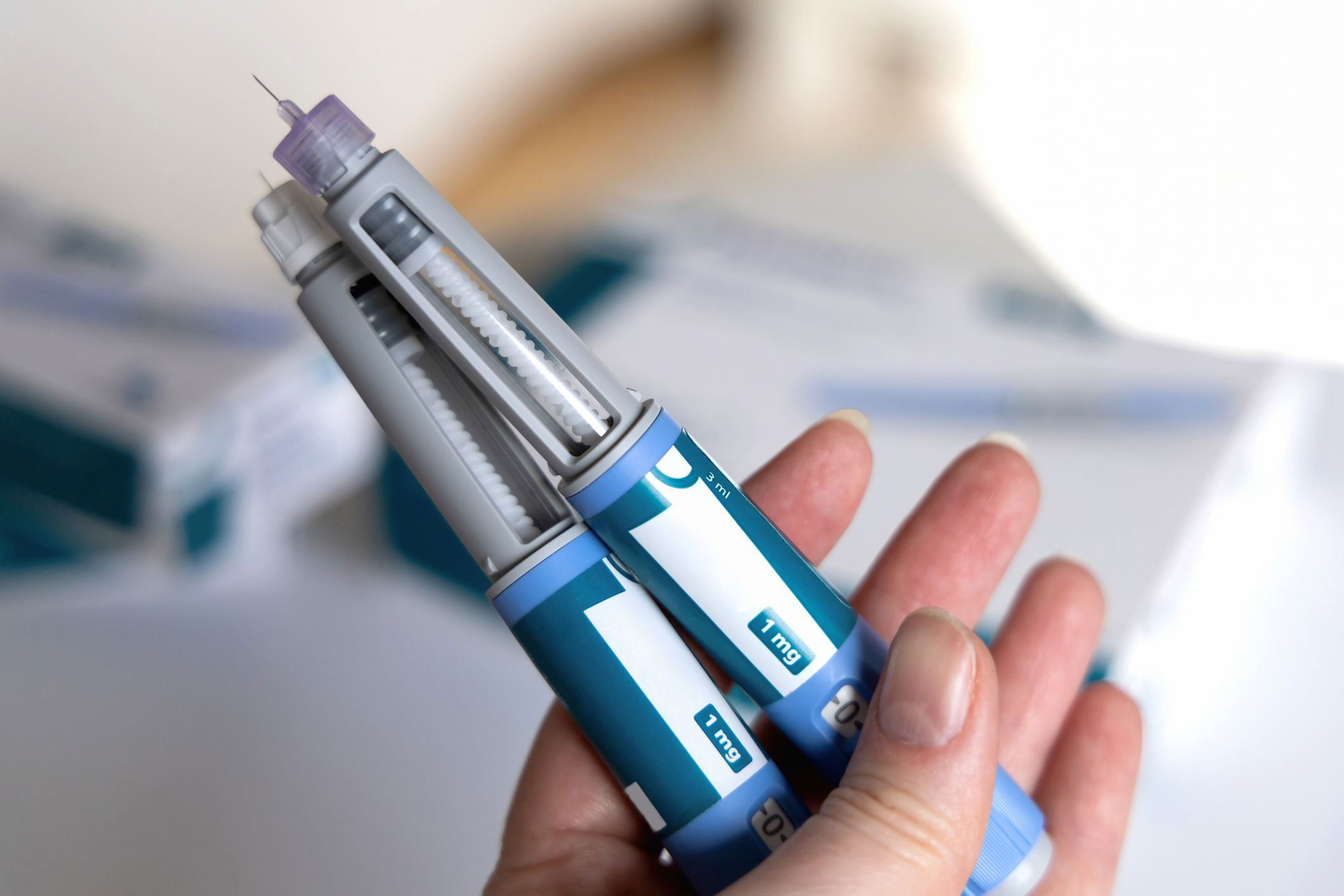
CagriSema is a once-weekly injectable developed by Novo Nordisk that pairs semaglutide — the active ingredient in Wegovy — with cagrilintide, a synthetic amylin hormone analogue that targets a separate appetite-regulating pathway. In Phase 3 trials it produced an average 22.7% body weight reduction, more than semaglutide alone. As of October 2026, the FDA has not yet approved CagriSema; Novo Nordisk submitted its New Drug Application in December 2025, and a regulatory decision is expected before the end of this year.
What Is CagriSema and How Does It Work?
GLP-1 drugs like Wegovy mimic a gut hormone that slows digestion and signals the brain to reduce appetite. CagriSema does that — and adds a second mechanism on top.
The combination drug pairs:
- Semaglutide 2.4 mg (GLP-1 receptor agonist): Slows gastric emptying, reduces appetite through GLP-1 receptors in the hypothalamus, and improves insulin sensitivity.
- Cagrilintide 2.4 mg (amylin analogue): Mimics amylin, a hormone co-secreted with insulin by pancreatic beta cells. Cagrilintide acts on amylin receptors — distinct from GLP-1 receptors — to further suppress appetite, reduce calorie intake, and slow gastric emptying through a complementary pathway.
By targeting two independent appetite-regulating systems simultaneously, Novo Nordisk’s researchers theorized that CagriSema would outperform either component alone — and the clinical data bears that out. REDEFINE 1 showed 22.7% mean weight loss over 68 weeks for CagriSema, compared with 16.1% for semaglutide and 11.8% for cagrilintide taken individually.
Is CagriSema FDA-Approved in 2026?
Not yet. Novo Nordisk filed its New Drug Application (NDA) with the FDA on December 18, 2025. Under a standard 12-month review timeline, a decision is expected in late 2026 — but regulatory timelines can shift, and no approval is guaranteed.
Patients should be cautious of any compounded preparations or gray-market products marketed as “CagriSema” before FDA action. Compounded versions of an unapproved drug are not the same as the studied formulation and carry unknown safety and dosing profiles. Until the FDA issues a decision, no commercially authorized U.S. version of CagriSema exists.
For comparison, the FDA approved Wegovy (semaglutide 2.4 mg) for chronic weight management in June 2021, and Zepbound (tirzepatide) for obesity in November 2023. Both remain the standard-of-care GLP-1 options available through licensed U.S. telehealth providers today.
How Does CagriSema Compare to Wegovy and Mounjaro?
Clinical trials use different designs, populations, and durations, so cross-trial comparisons are directional rather than definitive. With that caveat, here is how the available data lines up:
| Drug | Mechanism | Average Weight Loss | Key Trial | FDA Approved for Obesity? |
|---|---|---|---|---|
| CagriSema 2.4/2.4 mg | GLP-1 + amylin | ~22.7% | REDEFINE 1 (68 wk) | Pending (filed Dec 2025) |
| Wegovy (semaglutide) 2.4 mg | GLP-1 | ~14.9–17% | STEP 1 / STEP 5 | Yes (2021) |
| Wegovy HD (semaglutide) 7.2 mg | GLP-1 higher dose | ~20.7% | STEP-HiDo (72 wk) | Yes (March 2026) |
| Zepbound / Mounjaro (tirzepatide) 15 mg | GLP-1 + GIP | ~20–22.5% | SURMOUNT-1 | Yes (2023) |
| Oral Foundayo (orforglipron) | GLP-1 oral | ~14.7% | ATTAIN-1 (36 wk) | Yes (April 2026) |
The only direct head-to-head comparison came in REDEFINE 4, which pitted CagriSema against Mounjaro (tirzepatide 15 mg) in adults with obesity. Mounjaro produced 25.5% average weight loss versus 23.0% for CagriSema over 84 weeks, and CagriSema did not meet the trial’s pre-specified non-inferiority endpoint. That said, 23% body weight reduction is a clinically meaningful result — comparable to what tirzepatide achieves in real-world prescribing, where patients typically start at lower doses.
For patients with type 2 diabetes, REDEFINE 2 reported approximately 15.7% mean weight loss with CagriSema — less than in the non-diabetes cohort, a pattern seen across the GLP-1 drug class.
Who Would CagriSema Be Intended For?
Based on enrollment criteria in the REDEFINE program, Novo Nordisk is developing CagriSema for:
- Adults with a body mass index (BMI) of 30 or higher (obesity), or
- Adults with a BMI of 27 or higher who have at least one weight-related condition, such as type 2 diabetes, hypertension, hyperlipidemia, or established cardiovascular disease
This mirrors the approved indication for Wegovy and Zepbound/Mounjaro. If CagriSema is approved, individual eligibility will be determined by a licensed provider through a clinical evaluation — not by BMI alone.
The dual mechanism may offer a theoretical advantage for people who have experienced a plateau on a standard GLP-1, though no published trial has tested CagriSema as a step-up therapy in patients who had a partial response to semaglutide or tirzepatide. That is a question that real-world prescribing will eventually answer.
What Side Effects Has CagriSema Shown in Trials?
The safety profile observed in REDEFINE 1 is similar to other semaglutide-based medications, with no new safety signal identified:
- Nausea — the most frequently reported adverse event, most prominent during the dose-escalation period
- Vomiting and diarrhea
- Constipation
- Injection-site reactions
- Decreased appetite (often intended, but can limit adequate nutrition)
As with other semaglutide products, CagriSema carries investigational warning language regarding medullary thyroid carcinoma (MTC): patients with a personal or family history of MTC or multiple endocrine neoplasia type 2 (MEN2) would likely be excluded from CagriSema prescribing, consistent with the Wegovy prescribing label per the FDA. Pancreatitis and gallbladder disease are class-level risks monitored in GLP-1 therapy.
Importantly, the addition of cagrilintide did not appear to substantially worsen the side effect burden compared with semaglutide alone based on published Phase 3 data.
Should I Wait for CagriSema or Start GLP-1 Treatment Now?
This is the most practical question most patients have — and the honest answer depends on your situation.
Reasons to consider starting an FDA-approved GLP-1 now:
- The 2.4 mg Wegovy dose and both Zepbound and Mounjaro are approved, available, and have extensive real-world safety data.
- Weight loss outcomes with currently approved drugs — particularly tirzepatide — are already substantial, with 20–22% average reductions in trials.
- The health consequences of untreated obesity (cardiovascular disease, sleep apnea, type 2 diabetes) compound over time.
- CagriSema, if approved, will still require a prescription evaluation, and commercial availability will depend on supply chains and insurance coverage that take time to establish after approval.
Reasons someone might wait:
- A provider has a clinical reason to prefer a specific mechanism not yet available.
- You have already achieved good results on a GLP-1 and are stable — in which case continuing your current medication is the appropriate path.
No drug guarantees a specific outcome, and every medication decision involves weighing individual benefits against risks with a licensed clinician. If you are interested in GLP-1-based weight loss — whether that’s Wegovy, Zepbound, or monitoring the CagriSema approval — a consultation is the right starting point.
Talk to an Omnia TeleHealth provider about GLP-1 weight loss options that are available today.
Frequently Asked Questions
What is CagriSema? CagriSema is a once-weekly injectable developed by Novo Nordisk that combines semaglutide (a GLP-1 receptor agonist) with cagrilintide (a synthetic amylin analogue). It targets two separate appetite-regulating pathways and produced 22.7% average weight loss in Phase 3 trials — more than semaglutide or cagrilintide alone.
When will CagriSema be available in the US? Novo Nordisk submitted its New Drug Application to the FDA in December 2025. A review decision is expected in late 2026, though no approval has been announced as of October 2026. Commercial availability would follow any approval and depend on manufacturing and distribution timelines.
Is CagriSema better than Wegovy or Ozempic? In the REDEFINE 1 trial, CagriSema produced greater weight loss than semaglutide alone (22.7% vs. 16.1%). In the direct head-to-head REDEFINE 4 trial, Mounjaro (tirzepatide) produced slightly more weight loss than CagriSema (25.5% vs. 23%). Direct comparisons between different drugs from different trials are imprecise, and no drug is universally “better” — what matters is what works for a given person’s health profile.
Can I get compounded CagriSema from a telehealth pharmacy? No reputable telehealth provider should offer compounded CagriSema, as the combination drug is not FDA-approved. Compounded versions of unapproved drugs lack the safety and quality testing required for FDA approval. Be cautious of any service offering “CagriSema” before a formal FDA decision.
What GLP-1 weight loss medications are available by telehealth right now? As of October 2026, FDA-approved options for weight management available through telehealth include Wegovy (semaglutide), Zepbound (tirzepatide), Wegovy HD (semaglutide 7.2 mg, approved March 2026), and Foundayo (oral orforglipron, approved April 2026). Ozempic (semaglutide 2 mg) is approved for type 2 diabetes and is sometimes prescribed off-label for weight loss. A provider evaluation determines which option — if any — is appropriate for you.