
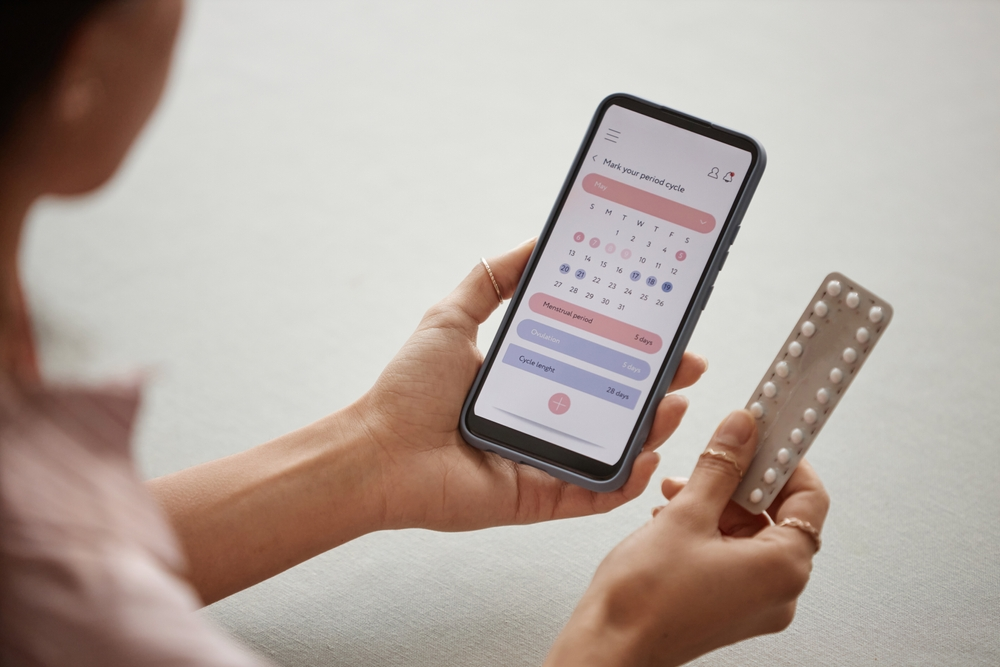
Comprehensive Guide to Birth Control Options: Make Informed Choices
Birth control in 2026 looks meaningfully different than it did even two years ago: a progestin-only pill (Opill) is now available over the counter at most U.S. pharmacies without a prescription, the FDA updated its effectiveness labeling for several hormonal methods, and telehealth services make it possible to get a prescription for most contraceptives without an in-person clinic visit. The right method still depends on your health history, timing preferences, and how long you want protection to last — and a licensed telehealth provider can help you sort through the options in minutes.
What birth control options are available in 2026?
The U.S. contraceptive landscape now spans four broad categories: hormonal prescription methods, the new OTC progestin-only pill, long-acting reversible contraceptives (LARCs), and non-hormonal options. Each has a distinct effectiveness profile, convenience trade-off, and suitability range.
| Method | Type | Typical-use effectiveness | How long it lasts | Requires prescription? |
|---|---|---|---|---|
| Combined pill (estrogen + progestin) | Hormonal | ~93% | Daily | Yes |
| Progestin-only pill (Opill OTC) | Hormonal | ~93% | Daily (3-hr window) | No |
| Contraceptive patch | Hormonal | ~93% | Weekly | Yes |
| Vaginal ring (NuvaRing/Annovera) | Hormonal | ~93% | Monthly/annual | Yes |
| Injectable (Depo-Provera) | Hormonal | ~96% | Every 3 months | Yes |
| Hormonal IUD (Mirena, Kyleena, etc.) | Hormonal LARC | >99% | 3–8 years | Yes (placed in office) |
| Copper IUD (Paragard) | Non-hormonal LARC | >99% | Up to 10 years | Yes (placed in office) |
| Implant (Nexplanon) | Hormonal LARC | >99% | Up to 3 years | Yes (placed in office) |
| Condom (external) | Barrier | ~87% | Single use | No |
| Emergency contraception (Plan B / Ella) | Hormonal, post-coital | Up to 89% | Single use | No / Rx for Ella |
Sources: FDA prescribing information (2026 labels); CDC U.S. Medical Eligibility Criteria for Contraceptive Use (2024 edition, affirmed 2026).
What Is Opill and Do You Still Need a Telehealth Provider?
Opill (norgestrel 0.075 mg) became the first FDA-approved OTC progestin-only birth control pill in 2023. By 2026 it is stocked at most major retail pharmacies and available for under $20 per month without insurance. It works by thickening cervical mucus and, at higher cycle doses, suppressing ovulation — and it must be taken within the same 3-hour window every single day to stay effective.
Opill is a good fit if you need contraception quickly, have no breast-cancer history, and can reliably maintain a strict daily schedule. However, many people benefit from speaking with a telehealth provider who can:
- Prescribe a combination pill tailored to your cycle, acne, or PMS patterns
- Discuss longer-acting options (IUD, implant) that eliminate the daily pill requirement
- Help you navigate insurance coverage, which often covers prescription contraceptives at $0 out-of-pocket under the ACA’s preventive-care mandate — a benefit that does not apply to Opill
- Rule out any conditions (e.g., migraine with aura, clotting history) that affect which hormonal methods are safe
For a full breakdown of when OTC Opill is the right call vs. a telehealth prescription, see our post: Opill Is OTC — So Why Use a Telehealth Birth Control Service Instead?
How does hormonal birth control work, and which type is right for me?
All hormonal methods work by delivering synthetic versions of estrogen and/or progestin to prevent ovulation, thicken cervical mucus, and thin the uterine lining. The main differences are delivery route and how often you need to interact with the method:
Combined oral contraceptives (COCs) are the most prescribed option in the U.S. They also reduce menstrual cramps, manage acne, and lower the risk of ovarian and endometrial cancer with long-term use. They are not recommended for people who smoke and are over 35, have a history of blood clots, or experience migraines with aura (per FDA labeling and ACOG guidance).
Progestin-only pills (POPs) — including the now-OTC Opill — are safe during breastfeeding and for people who cannot use estrogen. The trade-off is a strict daily timing window.
Patches and rings deliver the same hormones as COCs but on weekly or monthly schedules, removing the daily-pill burden. The Annovera ring provides one year of continuous protection with a monthly in/out cycle.
Injectables (Depo-Provera) are given every 12 weeks and can be self-administered at home after an initial provider visit. They are highly convenient but can delay return to fertility for 6–12 months after stopping.
What are the best long-acting, low-maintenance birth control options?
If you want to stop thinking about contraception for years at a time, LARCs are the evidence-based first choice. ACOG recommends LARCs as the most effective reversible contraceptive tier, with failure rates under 1% per year in typical use.
- Hormonal IUDs (Mirena, Kyleena, Liletta, Skyla) offer 3–8 years of protection, often reduce or eliminate periods, and are quickly reversible — fertility typically returns within one menstrual cycle of removal.
- Copper IUD (Paragard) is the only hormone-free LARC. It lasts up to 10 years and also works as emergency contraception if inserted within 5 days of unprotected sex.
- Implant (Nexplanon) is a matchstick-sized rod inserted under the skin of the upper arm. It provides 3 years of >99% effective protection and is the only method more effective than female sterilization in clinical trials.
Telehealth providers can discuss which LARC is right for you and refer you to a local partner clinic for insertion. Learn about all our reproductive health services at Omnia’s birth control page.
Can I get birth control online without going to a clinic?
Yes — for most prescription methods except IUDs and implants (which require in-office placement), a licensed telehealth provider can evaluate your health history, review any screening labs on file, and send a prescription to your preferred pharmacy or a mail-order service. The typical process:
- Complete a short intake form or video visit (5–15 minutes)
- Provider reviews your health history and any contraindications
- Prescription is sent to your pharmacy or mailed directly
- Follow-up is available by message or video for questions about side effects
Under the ACA’s preventive-care mandate, most insurance plans (including Medicaid in most states) must cover FDA-approved prescription contraceptives at no cost sharing. If you’re uninsured, many telehealth platforms — including Omnia — offer transparent cash pricing.
Non-hormonal and permanent options: what are the choices?
Copper IUD is the most effective non-hormonal reversible method (>99% effective). Condoms are the only method that also protects against STIs; combining a condom with another method maximizes both pregnancy and infection protection.
For those certain they do not want future pregnancies, tubal ligation (blocking or removing the fallopian tubes) and vasectomy are both >99% effective surgical options. These are considered permanent; reversal is possible but not guaranteed. Neither is typically managed via telehealth, though a provider can help with referrals and pre-procedure counseling.
How do I choose the right birth control for my lifestyle?
Key questions to discuss with a provider:
- Frequency: Do you want to think about contraception once a day, once a week, once a year, or never?
- Hormones: Do you have any medical history — migraines with aura, breast cancer, clotting disorder — that limits estrogen-containing methods?
- Pregnancy plans: Are you planning a pregnancy in the next 12 months? LARCs and injectables may not be the best fit.
- Cost and insurance: Prescription methods are often $0 with insurance; OTC Opill is ~$20/month out of pocket with no coverage.
- Side effects: Some people prefer hormone-free methods to avoid mood changes or irregular bleeding.
Frequently Asked Questions
Is Opill as effective as prescription birth control pills? In clinical trials, Opill and prescription progestin-only pills have similar typical-use effectiveness (~93%). The difference is that prescription combination pills may have better adherence data in real-world use, and combination pills offer additional health benefits (acne, period management) that Opill does not.
What birth control is best if I can’t take estrogen? Progestin-only pills (including Opill), hormonal IUDs, the implant, and the injectable (Depo-Provera) are all estrogen-free options. The copper IUD is the only estrogen-free LARC. A telehealth provider can review your history and help you choose.
Can I get birth control online without insurance? Yes. Omnia Telehealth offers transparent cash-pay pricing for birth control consultations. Many generic pill formulations cost $15–$30/month at retail pharmacies without insurance.
How quickly does birth control start working? Combined pills started on the first day of your period are effective immediately; if started later, backup contraception is recommended for 7 days. The copper IUD is effective within minutes of insertion. Hormonal IUDs and implants are effective immediately if placed within the first 7 days of a cycle, or require a 7-day backup otherwise.
What should I do if I miss a birth control pill? For combination pills: take it as soon as you remember, and if you missed by more than 24 hours, use backup contraception for 7 days. For progestin-only pills (including Opill): if you are more than 3 hours late, use a backup method for the next 48 hours. When in doubt, consult your telehealth provider.
Ready to find the birth control that fits your life? Schedule a birth control consultation with Omnia Telehealth — our licensed providers are available online, without a waiting room, and most insurance covers the visit at no cost.