
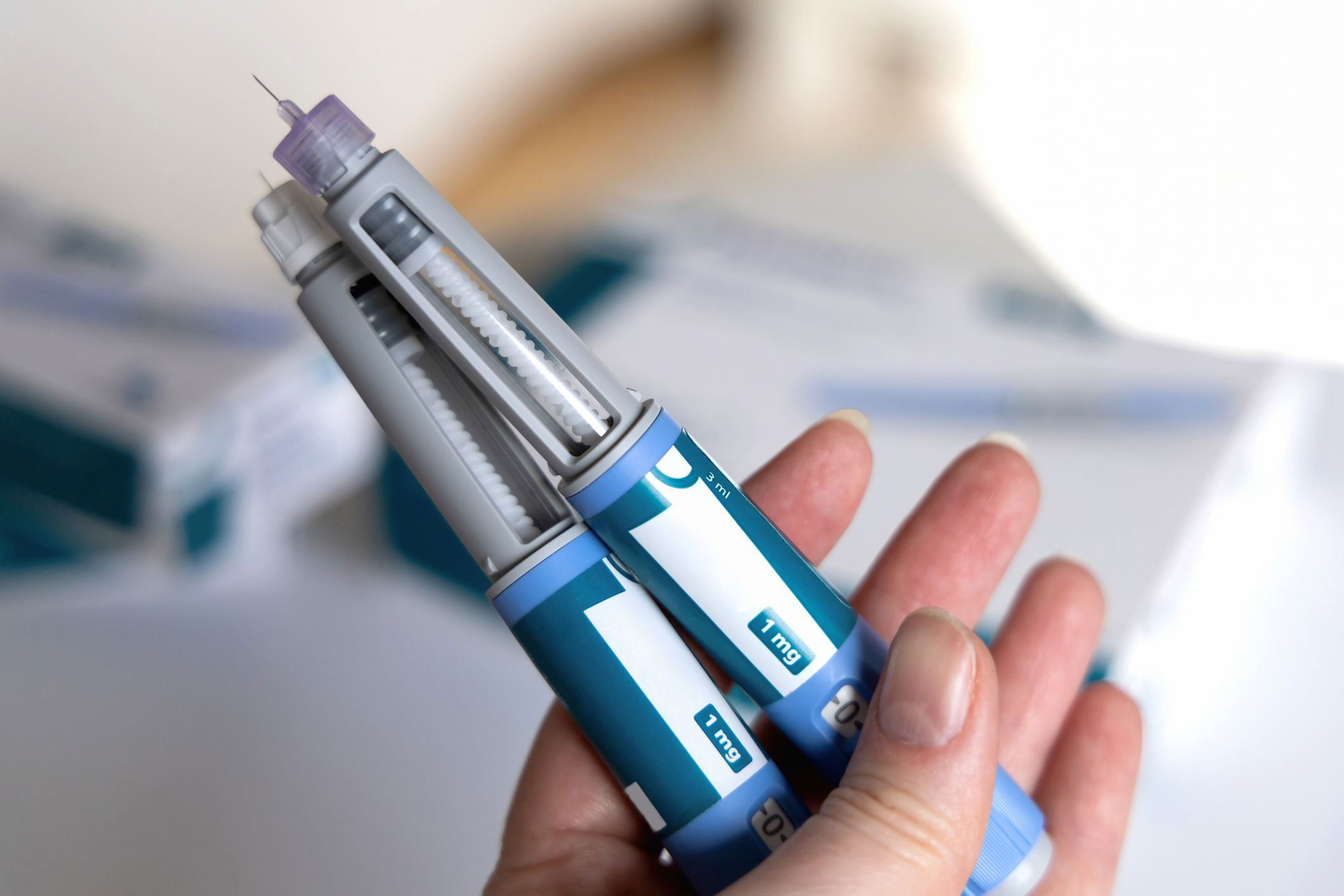
GLP-1 and Alcohol: What Happens When You Drink on Ozempic, Wegovy, or Zepbound
Drinking alcohol while taking Ozempic, Wegovy, or Zepbound is not strictly prohibited by any prescribing label, but it carries real risks — including worsened nausea, dehydration, and unpredictable changes in how alcohol affects you. With holiday party season in full swing, here is what current research says about combining GLP-1 medications with alcohol and how to make informed choices this season.
Can I drink alcohol while on a GLP-1 medication?
No prescribing label for Ozempic, Wegovy, or Zepbound (semaglutide and tirzepatide) classifies alcohol as an absolute contraindication. The absence of a hard ban, however, is not a safety clearance. The medications slow gastric emptying — the rate at which food and liquid leave your stomach — and that physiological change affects how alcohol is absorbed and how your body handles it.
Most clinicians recommend limiting alcohol significantly rather than abstaining completely, and several advise against drinking during dose-escalation phases, when GI side effects are already at their peak. If you have type 2 diabetes managed with a GLP-1, the calculus changes further: alcohol combined with delayed gastric emptying can trigger hypoglycemia, which may be harder to recognize if you feel intoxicated.
Why do I feel different when I drink on Ozempic or Wegovy?
If you have noticed that your relationship with alcohol has changed since starting a GLP-1, you are not imagining it — and the science is more nuanced than the viral “I get drunk faster now” claim.
A controlled pilot study from Virginia Tech, published in Scientific Reports in October 2025, found the opposite of what many users report anecdotally. Participants on a maintenance dose of GLP-1 medications showed a slower initial rise in blood alcohol concentration and rated themselves as feeling less intoxicated in the first 20 minutes compared with controls. The researchers proposed that GLP-1-driven delayed gastric emptying also slows alcohol absorption into the bloodstream.
That said, the study enrolled just 20 people. The widespread anecdotal reports of reduced tolerance likely reflect a different mechanism: individuals who had been drinking at a consistent pace before starting the medication may feel the effects sooner because they are eating less (less food in the stomach = faster alcohol absorption despite slower gastric emptying overall), or because alcohol hits a smaller body mass after weight loss. The honest answer is that individual responses vary, and the research is early.
What are the main risks of drinking on a GLP-1?
| Risk | Why it happens | Who is most affected |
|---|---|---|
| Worsened nausea and vomiting | Alcohol irritates the stomach; GLP-1s already reduce gastric motility | Anyone during dose escalation |
| Dehydration | Alcohol is a diuretic; GLP-1 GI effects can worsen fluid loss | Everyone — manage carefully in hot or active settings |
| Hypoglycemia | Alcohol impairs glucose production; delayed emptying masks timing cues | People with type 2 diabetes or on insulin |
| Pancreatitis risk | Both alcohol and GLP-1s independently carry a pancreatitis signal | People with a personal or family history of pancreatitis |
| Caloric rebound | High-sugar cocktails, wines, and beer can quickly erase a week’s deficit | Anyone focused on weight loss outcomes |
| Impaired judgment about portion control | Alcohol lowers inhibitions, including around food choices | Everyone |
The pancreatitis concern is worth flagging explicitly. GLP-1 labels include a warning about pancreatitis, and heavy alcohol consumption is an independent risk factor. Combining the two does not guarantee pancreatitis, but people with a history of pancreatitis or gallbladder disease should discuss alcohol use directly with their prescriber before drinking.
Does semaglutide reduce alcohol cravings?
Emerging 2026 research suggests it might — and this is one of the more compelling findings in obesity medicine.
A double-blind, placebo-controlled trial published in The Lancet in 2026 (Klausen et al.) enrolled 108 adults with alcohol use disorder and obesity in Denmark. Participants assigned to semaglutide showed significant reductions in heavy drinking days, drinks per drinking day, alcohol cravings, and alcohol biomarker levels compared with the placebo group.
A second trial published in the American Journal of Psychiatry in July 2026 (Schacht et al.) tested oral semaglutide (Rybelsus) in approximately 50 adults with moderate-to-severe alcohol use disorder over eight weeks. Semaglutide did not reduce laboratory cue-triggered cravings, but it did reduce real-world day-to-day cravings and the number of heavy drinking days.
University of Colorado Anschutz researchers also reported in 2026 that oral semaglutide led to fewer binge-drinking episodes in a clinical trial — a finding covered in Psychiatric News and Healio.
These findings align with animal model research showing GLP-1 receptors are expressed in brain reward circuits, and with the widespread off-label observation that many patients report spontaneously drinking less after starting GLP-1 therapy. It is important to note, however, that GLP-1 medications are not FDA-approved to treat alcohol use disorder as of late 2026, and larger, longer trials are still needed before clinical recommendations can be established.
How much alcohol is safe on Ozempic, Wegovy, or Zepbound?
There is no universal threshold that applies to everyone, because individual tolerance, diabetes status, dose phase, and body weight all play a role. General guidance from clinicians and GLP-1 prescribing communities includes:
- Limit to one standard drink if you choose to drink during dose-escalation phases (weeks 1–16 for most protocols)
- One to two standard drinks maximum for people on a stable maintenance dose with no diabetes
- Consult your prescriber before drinking if you have type 2 diabetes managed with insulin or other blood-sugar medications alongside your GLP-1
A standard drink is 12 oz regular beer (5% ABV), 5 oz wine (12% ABV), or 1.5 oz distilled spirits (40% ABV). Craft beers, oversized pours, and high-ABV wines can double or triple that in a single glass.
Holiday party tips: drinking smarter on a GLP-1
The holiday season brings social pressure to drink in settings where food and alcohol are plentiful. Here are practical strategies:
Before you drink:
- Eat a protein-rich meal first. Food in the stomach slows alcohol absorption and helps prevent nausea.
- Hydrate with at least 16 oz of water before your first drink.
- Skip drinking during the first 48–72 hours after your weekly injection, when serum levels of semaglutide or tirzepatide are peaking and GI effects are highest.
While you drink:
- Alternate every alcoholic drink with a glass of water.
- Choose lower-sugar options — spirits with soda water, dry wine, or light beer — to avoid high-calorie mixers that undercut your progress.
- Pace yourself. The changed gastric emptying means your blood alcohol curve may not follow its usual pattern.
Warning signs to take seriously:
- Persistent vomiting or inability to keep fluids down
- Unusual dizziness or confusion disproportionate to what you drank
- Upper abdominal pain radiating to the back (a potential pancreatitis symptom — seek emergency care)
- Signs of low blood sugar if you have diabetes: shaking, sweating, rapid heartbeat
Should I tell my telehealth provider about my drinking habits?
Yes — and your provider will not judge you for it. Accurate alcohol history helps your prescriber identify whether GI symptoms are medication-related or drink-related, assess pancreatitis risk, adjust monitoring for hypoglycemia in diabetes patients, and counsel you on realistic goals.
If you have noticed that your desire to drink has decreased since starting a GLP-1 and want to discuss that change, or if you are concerned about alcohol use disorder, that is also a conversation worth having. Ongoing trials are studying GLP-1s specifically for reducing heavy drinking, and your provider can keep you informed as evidence evolves.
You can connect with an Omnia TeleHealth provider through our telehealth weight loss service — ongoing GLP-1 management includes regular check-ins where questions about medications, lifestyle, and interactions like these are always welcome.
Frequently Asked Questions
Can I have one glass of wine on Ozempic? For most people on a stable maintenance dose of semaglutide without diabetes, one standard glass of wine is not prohibited. The main practical concern is nausea — if you are still in an early dose phase or had GI symptoms recently, that single glass may feel much heavier than it used to. Eat beforehand and monitor how you feel.
Why do I feel drunk faster on Wegovy? The most likely explanation is weight loss itself: a smaller body mass means the same amount of alcohol produces a higher blood-alcohol concentration. Additionally, eating less food means alcohol reaches your bloodstream with less buffer. A 2025 Virginia Tech study actually found that GLP-1 medications slow the initial absorption of alcohol, so the subjective experience of “feeling drunk faster” may reflect body composition changes rather than the medication’s direct effect.
Does tirzepatide (Zepbound, Mounjaro) interact with alcohol differently than semaglutide (Ozempic, Wegovy)? No major clinical study has compared the two directly for alcohol interaction. Both slow gastric emptying, and both carry GI side effects that alcohol can worsen. The nausea profile of tirzepatide can be significant at higher doses, so the practical caution is similar: eat first, limit intake, stay hydrated.
Will drinking alcohol stop my GLP-1 from working? Moderate drinking is unlikely to block the weight-loss mechanism of your GLP-1 medication. The more practical concern is caloric: a single cocktail can add 150–300 calories, and alcohol often relaxes the appetite suppression that GLP-1s provide, leading to higher overall intake for the evening. Regular heavy drinking may undermine weight loss results over time.
Can semaglutide help with alcohol use disorder? Current research is promising but preliminary. Two 2026 clinical trials — one in The Lancet and one in the American Journal of Psychiatry — found that semaglutide reduced heavy drinking days and real-world cravings in adults with alcohol use disorder. However, GLP-1 medications are not FDA-approved to treat alcohol use disorder as of late 2026, and they should not replace established AUD treatments. If alcohol use is a concern, speak with your healthcare provider about evidence-based options.
This content is for informational purposes only and does not constitute medical advice. Consult a licensed healthcare provider before making changes to your medication regimen or alcohol habits. If you experience severe abdominal pain, persistent vomiting, or signs of hypoglycemia after drinking, seek medical care promptly.