
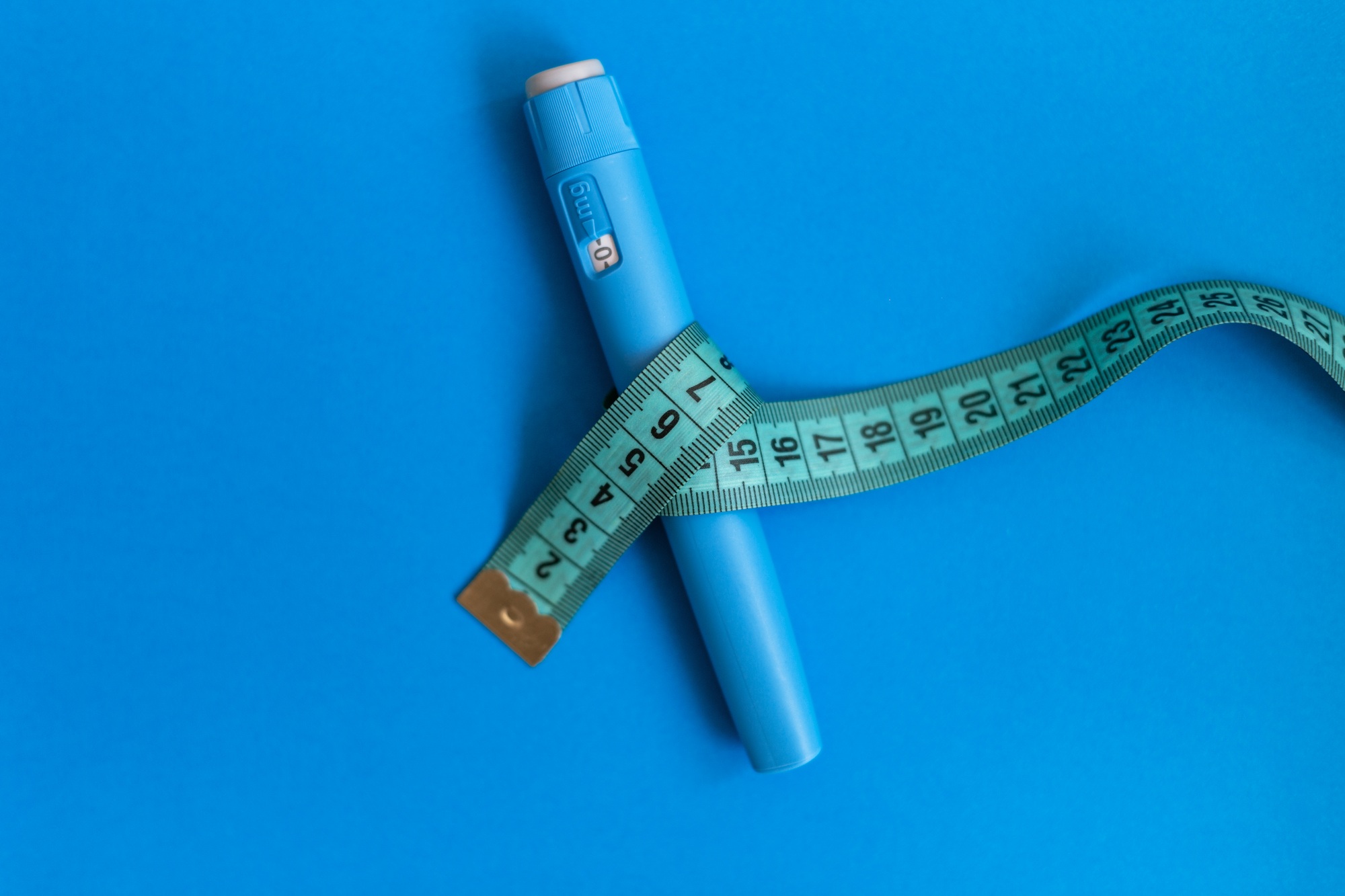
GLP-1 Injections for Weight Loss: What You Need to Know Before Starting
GLP-1 injections like Wegovy, Ozempic, and Zepbound drive 15–20% weight loss — here's how they work, who qualifies, what they cost in 2026, and what the new oral options and compounding rules mean before you start.
Short answer: GLP-1 injections are FDA-approved weekly medications that help qualifying adults lose roughly 15–20% of their body weight by reducing appetite and slowing digestion. Before starting in 2026, the three things to know are: which option fits you (semaglutide vs. tirzepatide vs. the new oral pills), whether you qualify by BMI, and that the cheap “compounded” versions are being phased out in favor of FDA-approved brands. A licensed provider can confirm what’s safe and appropriate for your health.
At Omnia Telehealth, our licensed providers manage weight loss treatment virtually — eligibility, prescription, dosing, and follow-up — so you can start safely from home. Here’s what to understand first.
What are GLP-1 injections and how do they work?
GLP-1 (glucagon-like peptide-1) is a natural hormone that regulates appetite, insulin, and blood sugar. GLP-1 receptor agonists mimic that hormone, which is why they’re so effective for weight management. They work by:
- Reducing hunger and overall calorie intake
- Slowing gastric emptying, so you feel full longer
- Improving insulin sensitivity and blood sugar control
- Supporting steady, sustained weight loss over months
Originally developed for type 2 diabetes, semaglutide (Wegovy, Ozempic) and tirzepatide (Zepbound, Mounjaro) are now FDA-approved for chronic weight management in qualifying patients. They’re typically given as a once-weekly subcutaneous injection, with the dose increased gradually to limit side effects.
How much weight can you actually lose on a GLP-1?
The results in clinical trials are substantial, which is why demand has stayed high. The amount depends on the specific medication.
- Semaglutide: In the landmark STEP 1 trial published in The New England Journal of Medicine (2021), participants lost an average of 14.9% of their body weight over 68 weeks (source: NEJM).
- Tirzepatide: In the SURMOUNT-1 trial, the highest dose produced average loss of around 20% over 72 weeks — among the strongest results for a non-surgical option (source: NEJM).
Real-world results vary, and weight loss is fastest when the medication is paired with nutrition and activity changes. Most people notice reduced appetite within the first few weeks, with meaningful weight loss building from weeks 4 to 8 onward.
Who qualifies for GLP-1 therapy?
GLP-1 weight loss treatment is generally appropriate for:
- Adults with a BMI ≥ 30, or
- Adults with a BMI ≥ 27 plus at least one weight-related condition such as hypertension, type 2 diabetes, high cholesterol, or sleep apnea.
GLP-1s are not recommended if you have a personal or family history of medullary thyroid carcinoma or multiple endocrine neoplasia syndrome type 2 (MEN 2), and they’re avoided in pregnancy. This is exactly what a provider screens for during your intake. Through Omnia’s virtual platform, a licensed provider reviews your history, confirms eligibility, and tailors your plan.
What are my GLP-1 options in 2026 — including the new pills?
The menu is bigger than it was even a year ago, and that’s good news for matching the right tool to the right person.
| Option | Type | Notable detail |
|---|---|---|
| Wegovy / Ozempic | Semaglutide (brand) | FDA-approved injectable; ~15% average loss |
| Zepbound / Mounjaro | Tirzepatide (brand) | FDA-approved injectable; ~20% average loss |
| Wegovy oral pill | Oral semaglutide | Launched January 2026 |
| Foundayo (orforglipron) | Oral GLP-1 | FDA-approved April 1, 2026 |
Oral options matter for people who’d rather avoid weekly injections entirely. Which one is right depends on your health profile, tolerance for side effects, insurance, and goals — a conversation worth having with a provider rather than guessing.
What about compounded semaglutide — is it still an option?
This is the biggest change since this guide was first published. During the shortage years, compounded semaglutide was a cheap, widely available substitute. That era is ending: the FDA declared the semaglutide and tirzepatide shortages resolved and, in April 2026, proposed removing these drugs from the list compounders may use.
For most people, the safer and clearer path in 2026 is an FDA-approved brand medication, especially now that pricing programs have narrowed the cost gap. We cover the details — and what to do if you’re currently on a compounded GLP-1 — in our dedicated explainer: Is Compounded Semaglutide Still Legal in 2026?
How much do GLP-1 medications cost in 2026?
Cost was the main reason people sought compounded versions, and that gap is closing thanks to new programs:
- TrumpRx brand pricing launched around November 2025 at roughly $245/month for certain brand products.
- A Medicare GLP-1 Bridge pilot begins July 1, 2026, offering eligible enrollees a $50 monthly copay.
Coverage and pricing change often, so confirm current eligibility with your provider or pharmacy before you start.
What side effects should I expect?
Most people tolerate GLP-1 medications well, especially when the dose is increased slowly. The most common side effects are gastrointestinal:
- Nausea or vomiting
- Constipation or diarrhea
- Fatigue
- Injection-site reactions
These are usually mild and improve over time. A good provider starts low, titrates gradually, and adjusts your dose if side effects are bothersome — which is a key advantage of supervised care over unmonitored sources.
Frequently Asked Questions
How soon will I see results from GLP-1 injections?
Most people notice reduced appetite within the first few weeks, with meaningful weight loss typically beginning around weeks 4 to 8 and continuing for months as the dose increases.
Can I get a GLP-1 prescription online?
Yes. You can complete a virtual consultation with a licensed provider, receive a prescription if it’s medically appropriate, and begin treatment from home. Legitimate telehealth always includes a real medical intake and provider review.
Are GLP-1 injections safe for long-term use?
They’re FDA-approved for long-term weight management and have been studied extensively. Because obesity is a chronic condition, many people stay on therapy long-term under provider supervision.
What happens if I stop taking a GLP-1?
Some weight regain is common after stopping, because the medication’s appetite effects end. Maintaining nutrition, activity, and provider support helps protect your results, and your provider can discuss tapering and maintenance strategies before you stop.
Is compounded semaglutide still legal in 2026?
Routine large-scale compounding is being phased out now that the FDA declared the shortage resolved. For most people, an FDA-approved brand or oral option is the safer path — see our full breakdown on compounded semaglutide’s legal status.
Start your GLP-1 evaluation with a licensed provider
GLP-1 medications are among the most effective non-surgical weight loss tools available, and in 2026 you have more legal, FDA-approved options than ever. The right next step is a conversation with a licensed clinician who can confirm what’s safe for you and build a plan around your goals.
Ready to begin? Start an online weight-loss consultation with Omnia Telehealth and let a licensed provider guide you from your first dose through ongoing follow-up.
This article is for general educational purposes and is not medical advice. Always consult a licensed healthcare provider about your individual situation. Individual results and eligibility vary.