
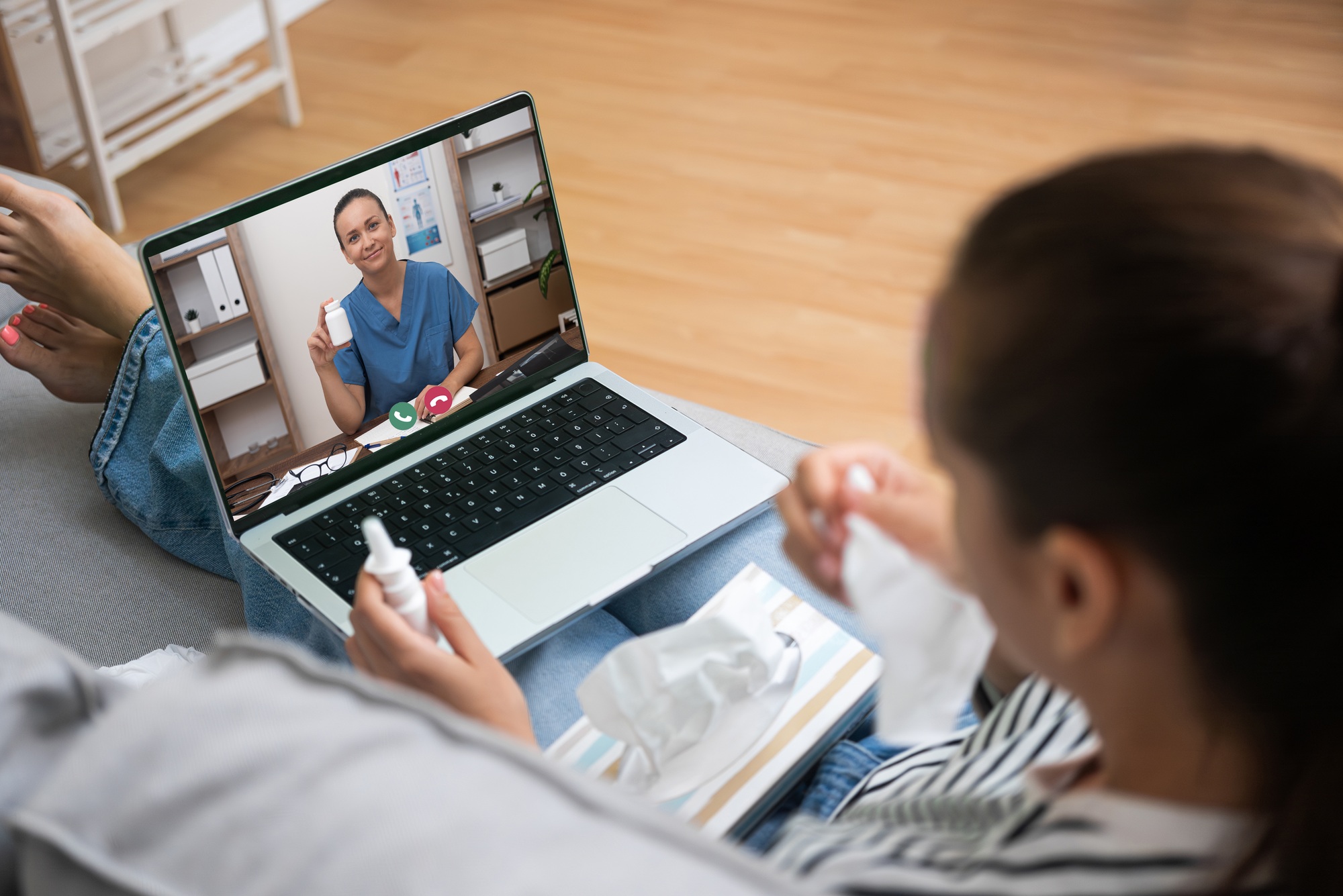
Managing Type 2 Diabetes Online: How to Get Metformin, GLP-1s, and Diabetes Care Through Telehealth in 2026
A licensed telehealth provider can prescribe metformin, review your A1c results, and adjust your diabetes medications without an in-person visit — as long as your type 2 diabetes is stable and not acutely complicated. For the more than 37 million Americans living with diabetes, November’s National Diabetes Month is a natural moment to ask whether virtual care can make day-to-day management easier, cheaper, and more consistent. The short answer is yes, with a few important limits.
Can a telehealth doctor prescribe diabetes medication online?
Yes. The American Diabetes Association’s 2026 Standards of Medical Care in Diabetes explicitly supports telehealth as an appropriate channel for ongoing management of stable type 2 diabetes (T2D). A telehealth provider can:
- Prescribe or refill metformin (the ADA-recommended first-line oral agent for most T2D patients)
- Order or review lab work — A1c, comprehensive metabolic panel, lipid panel, urine microalbumin
- Prescribe GLP-1 receptor agonists (Ozempic/semaglutide, Mounjaro/tirzepatide) when indicated for blood sugar control
- Add SGLT-2 inhibitors (empagliflozin, dapagliflozin) for cardiovascular or kidney protection
- Counsel on lifestyle, nutrition targets, and self-monitoring protocols
What telehealth cannot do for diabetes: manage type 1 diabetes insulin titration, treat diabetic ketoacidosis, or handle acute foot wounds or severe neuropathy — those require in-person care.
How common is type 2 diabetes in the United States?
According to the CDC’s most recent NHANES analysis (NCHS Data Brief No. 516), 15.8% of U.S. adults have diabetes — about 37 million people total. Of those:
- 11.3% have a formal diagnosis
- 4.5% have undiagnosed diabetes and don’t yet know it
- 90–95% of all cases are type 2
An estimated 96 million additional adults have prediabetes, putting them at high risk of progression. The CDC projects the rate could climb to 1 in 3 adults by 2050 if current trends continue.
Those numbers mean tens of millions of people are managing a chronic medication regimen that benefits enormously from regular, low-friction check-ins — exactly the setting where telehealth performs best.
What are the standard treatment options for type 2 diabetes in 2026?
The ADA 2026 Standards of Care recommend a patient-centered, weight-aware approach. Here is a simplified comparison of the main medication classes a telehealth provider might prescribe:
| Medication class | Examples | Primary benefit | Typical monthly cost (generic/GoodRx) | Telehealth prescribable? |
|---|---|---|---|---|
| Biguanides | Metformin | Lowers blood glucose; weight-neutral | ~$5–$15 | Yes |
| GLP-1 receptor agonists | Ozempic, Mounjaro, Rybelsus (oral) | Blood glucose + weight loss + CV protection | $800–$1,200 brand; ~$200–$400 generic/compounded | Yes (with qualifying labs) |
| SGLT-2 inhibitors | Empagliflozin (Jardiance), Dapagliflozin (Farxiga) | Blood glucose + heart/kidney protection | $400–$600 brand; $30–$60 generic (empagliflozin off patent mid-2026) | Yes |
| Sulfonylureas | Glipizide, glimepiride | Blood glucose lowering | $5–$20 generic | Yes |
| DPP-4 inhibitors | Sitagliptin (Januvia) | Blood glucose lowering; weight-neutral | $200–$400 brand; ~$20 generic (sitagliptin off patent 2026) | Yes |
| Insulin | Glargine, aspart, lispro | All severity levels | Varies; capped at $35/month for Medicare | Limited for T1D titration; stable T2D refills possible |
Key 2026 update: Generic empagliflozin entered the U.S. market in mid-2026 following patent expiration, dropping SGLT-2 inhibitor costs significantly. Similarly, sitagliptin generics launched, making DPP-4 inhibitors more accessible. Both changes make telehealth-managed T2D substantially cheaper than it was even one year ago.
Does insurance or Medicare cover telehealth diabetes visits?
Under the Consolidated Appropriations Act of 2026, Medicare telehealth flexibilities were extended through December 31, 2027. This means Medicare beneficiaries can receive telehealth diabetes management visits from any location — including their home — without the rural-area restriction that predated the pandemic flexibilities.
For private insurance, most ACA-compliant plans are required to cover diabetes management as an essential health benefit. Telehealth visits for chronic disease management must be covered at parity with in-person visits in most states under mental-health and chronic-disease parity laws. Check your plan’s telehealth benefit tier and any copay or deductible that applies.
For uninsured patients, cash-pay telehealth diabetes visits typically run $50–$100 for a consultation plus lab costs. Metformin generics remain among the cheapest medications in existence — roughly $5 per month at major pharmacies.
When does a GLP-1 make sense for type 2 diabetes vs. just weight loss?
GLP-1 receptor agonists carry two separate FDA indications that are often confused:
- T2D blood sugar control (Ozempic/semaglutide approved 2017; Mounjaro/tirzepatide approved 2022)
- Chronic weight management (Wegovy/semaglutide approved 2021; Zepbound/tirzepatide approved 2023)
For a patient with T2D, a GLP-1 may be the right second-line or even first-line agent if they also have cardiovascular disease, chronic kidney disease, or obesity alongside their diabetes. The ADA 2026 Standards specifically recommend GLP-1 agonists with proven cardiovascular benefit (liraglutide, semaglutide, dulaglutide) for patients with established atherosclerotic cardiovascular disease.
Insurance coverage is also different: GLP-1 prescriptions written for a T2D diagnosis are more consistently covered by commercial insurance and Medicare Part D than prescriptions written purely for weight loss. If you have both T2D and obesity, a telehealth provider can review your full history and write the prescription under the most appropriate indication.
How does a telehealth diabetes visit work?
A typical telehealth diabetes management visit at Omnia follows this process:
- Complete an intake form — medical history, current medications, recent A1c, symptoms, any hypoglycemic episodes
- Schedule a video or async visit — most T2D refill visits are asynchronous (you answer questions; the provider reviews and responds within 24 hours)
- Upload recent lab work — if you have A1c and metabolic panel results from the past 3–6 months, the provider can proceed without ordering new labs; if not, they’ll send a lab order
- Receive your prescription — sent electronically to your preferred pharmacy
- Follow-up — most T2D patients on stable regimens need a check-in every 3–6 months; annual eye exam, foot exam, and kidney function tests still require in-person care
The process is HIPAA-compliant. Under the DEA’s extended telehealth prescribing rules (through December 31, 2026), most non-controlled diabetes medications — metformin, GLP-1s, SGLT-2 inhibitors, sulfonylureas — can be prescribed without an in-person visit requirement.
What lab work do I need before a telehealth diabetes visit?
| Lab test | Frequency | Why it matters |
|---|---|---|
| Hemoglobin A1c | Every 3 months (uncontrolled) or every 6 months (controlled) | Primary measure of 3-month average blood glucose |
| Comprehensive metabolic panel (CMP) | At least annually | Kidney function (creatinine, eGFR), electrolytes, liver enzymes |
| Lipid panel | At least annually | Cardiovascular risk assessment |
| Urine albumin-to-creatinine ratio | At least annually | Early diabetic kidney disease screening |
| Thyroid-stimulating hormone (TSH) | Every 1–2 years | Thyroid dysfunction affects glucose metabolism |
If you don’t have recent labs, a telehealth provider can send a standing order to any national lab (Quest, LabCorp) and review results at a follow-up visit.
Frequently Asked Questions
Can I get metformin prescribed online without going to a doctor? Yes. Metformin is a non-controlled medication that can be prescribed by a licensed telehealth provider after a medical evaluation. Most platforms require you to complete a health history intake and confirm a prior T2D diagnosis; some may request a recent A1c result. The visit is typically completed the same day, and the prescription is sent directly to your pharmacy.
What’s the difference between Ozempic for diabetes and Wegovy for weight loss? Both contain semaglutide, but they are FDA-approved under different indications and come in different dose ranges. Ozempic (up to 2 mg weekly) is approved for glycemic control in type 2 diabetes. Wegovy (up to 2.4 mg weekly) is approved for chronic weight management. A telehealth provider can evaluate which indication applies to you and prescribe the appropriate formulation.
Can telehealth manage my diabetes if I’m on insulin? Telehealth is well-suited for managing stable type 2 diabetes patients on fixed-dose basal insulin (e.g., once-daily glargine). Complex insulin titration — multiple daily injections, insulin pumps, type 1 diabetes — generally benefits from in-person endocrinology care. If you’re stable on a single basal insulin and your A1c is at target, a telehealth provider can refill your prescription.
Is a telehealth diabetes visit covered by Medicare? Most telehealth visits for diabetes management are covered under Medicare Part B through December 31, 2027, under the current telehealth flexibility extension. You’ll typically owe your standard Part B coinsurance (usually 20% after the deductible). Confirm coverage with your Medicare plan before your visit.
How do I know if my diabetes is stable enough for telehealth vs. in-person care? Indicators that telehealth is appropriate: your A1c has been at or near goal for 6+ months, you’re on a stable medication regimen, you have no active foot wounds or infections, no recent hypoglycemic episodes requiring emergency care, and no new symptoms of complications (chest pain, significant vision changes, severe neuropathic pain). If any of those apply, start with an in-person visit.
Ready to manage your diabetes from home?
National Diabetes Month is a good reminder that consistent care matters more than heroic interventions. If your type 2 diabetes is stable and you’re due for a medication review or refill, a telehealth visit can save you a trip to the clinic — and in many cases, lower your overall costs.
Learn more about online prescription refills and chronic disease management at Omnia TeleHealth →
This article is for informational purposes only and does not constitute medical advice. Consult a licensed healthcare provider to determine the right treatment plan for your individual health needs.