
Retatrutide: The Next-Generation Weight Loss Drug — Phase 3 Results, FDA Timeline, and How to Access It
Retatrutide is Eli Lilly’s next-generation obesity medication — a “triple agonist” that targets GLP-1, GIP, and glucagon receptors simultaneously. Phase 3 clinical trials completed in 2026 showed average weight loss of 22–28% at 80 weeks, potentially outperforming every GLP-1 drug currently on the market. Lilly plans to file for FDA approval in early 2027, with market availability likely in late 2027 or 2028.
What Is Retatrutide and How Does It Work?
Most approved GLP-1 medications target one or two hormone receptors. Semaglutide (Wegovy, Ozempic) activates the GLP-1 receptor only. Tirzepatide (Zepbound, Mounjaro) activates both GLP-1 and GIP. Retatrutide goes a step further by activating three:
- GLP-1 receptor — slows gastric emptying, reduces appetite, improves blood sugar
- GIP receptor — enhances insulin secretion, may improve fat storage regulation
- Glucagon receptor — boosts energy expenditure and promotes fat breakdown in the liver
The addition of glucagon receptor agonism is what researchers believe drives retatrutide’s higher weight loss numbers compared to dual agonists. By increasing how many calories the body burns at rest, it appears to attack obesity from a metabolic angle that existing drugs do not fully reach.
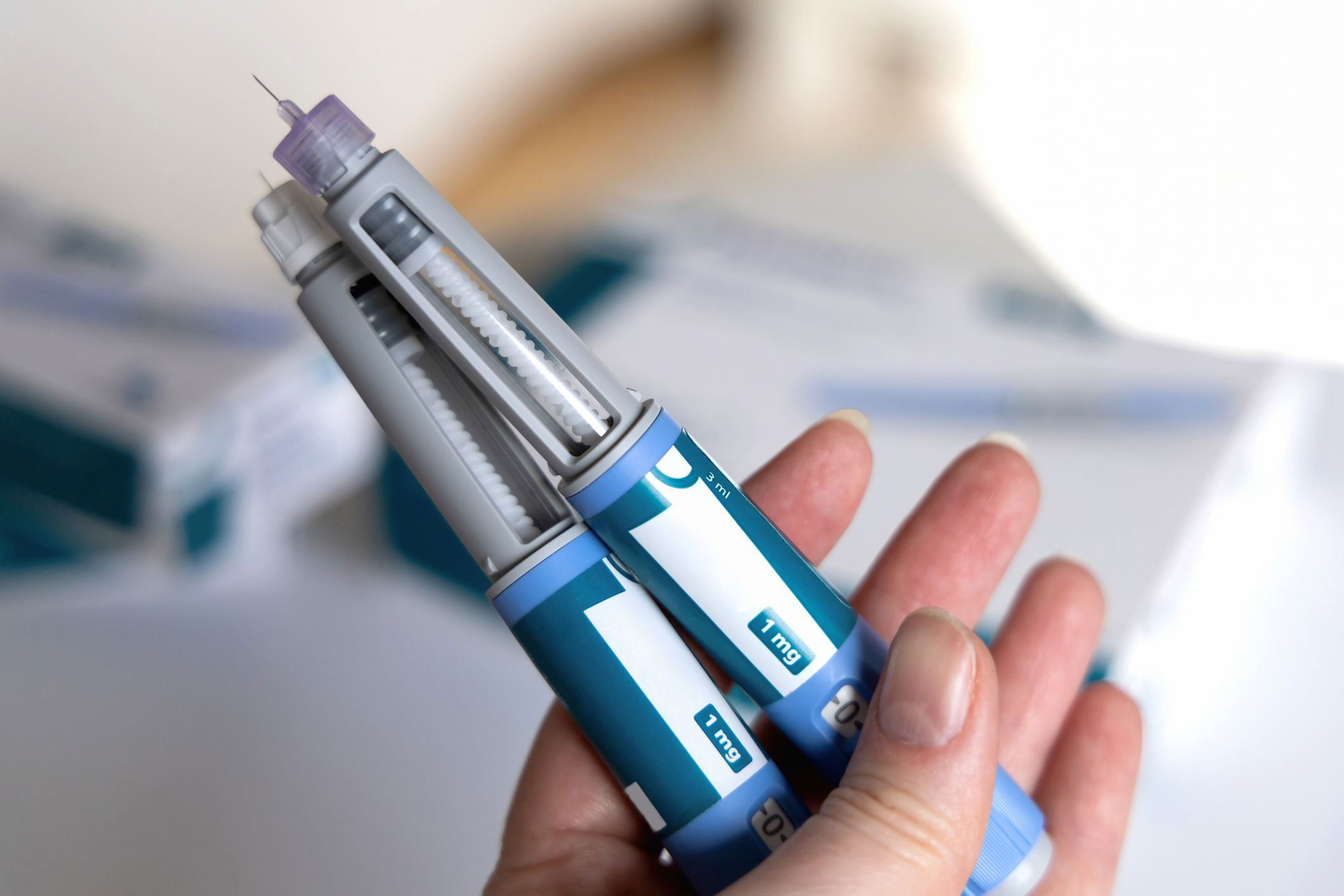
Retatrutide is delivered as a once-weekly subcutaneous injection — the same delivery method as Wegovy and Zepbound — with doses ranging from 1 mg to 12 mg, titrated up over several months.
What Did the Phase 3 TRIUMPH Trials Show?
Lilly announced results from two major Phase 3 trials in July 2026:
TRIUMPH-2 enrolled adults with severe obesity and established cardiovascular disease. Participants on the 12 mg dose achieved 22.6% mean body weight loss (approximately 55.8 lbs) at 80 weeks, compared to roughly 3% in the placebo group. The trial also showed clinically meaningful reductions in waist circumference, blood pressure, and triglycerides.
TRIUMPH-3 enrolled adults with obesity and type 2 diabetes. At 80 weeks, the 12 mg dose produced 20.8% mean weight loss (approximately 49.6 lbs) alongside up to a 1.6% reduction in A1C — a glycemic benefit comparable to dedicated diabetes medications.
These results are substantially higher than the landmark SURMOUNT-1 trial for tirzepatide, which showed 20.9% weight loss at 72 weeks in adults without diabetes, and higher than the STEP-1 trial for semaglutide (2.4 mg), which showed 14.9% at 68 weeks.
A direct head-to-head comparison — TRIUMPH-5 — is currently comparing retatrutide versus tirzepatide in adults with obesity. Results are expected in late 2026 or early 2027 (ClinicalTrials.gov identifier: NCT06662383), which would provide the first apples-to-apples data.
Safety: The most common adverse effects were gastrointestinal — nausea, vomiting, diarrhea, and constipation — consistent with all incretin-based therapies. In TRIUMPH-2, approximately 11% of participants on the highest dose discontinued due to side effects. These rates are somewhat higher than tirzepatide’s discontinuation rates in SURMOUNT-1 (~6%), which may reflect retatrutide’s greater potency at the glucagon receptor.
Important caveat: as of November 2026, the full Phase 3 data had not yet been published in a peer-reviewed journal. The results reported here are from Eli Lilly’s press announcements and conference presentations.
How Does Retatrutide Compare to Zepbound and Wegovy?
| Drug | Mechanism | Approval Status | Avg. Weight Loss | Weekly Injection |
|---|---|---|---|---|
| Wegovy (semaglutide 2.4 mg) | GLP-1 agonist | FDA-approved | ~15% at 68 weeks | Yes |
| Zepbound (tirzepatide) | GLP-1 + GIP | FDA-approved | ~21% at 72 weeks | Yes |
| Retatrutide (12 mg) | GLP-1 + GIP + glucagon | Investigational (FDA filing 2027) | ~22–28% at 80 weeks | Yes |
| CagriSema (cagrilintide + sema) | GLP-1 + amylin | Phase 3 (Novo Nordisk) | ~22.7% at 68 weeks | Yes |
On paper, retatrutide offers the highest weight loss of any GLP-1 class drug tested to date. However, indirect comparisons across different trials are notoriously unreliable — population characteristics, duration, and placebo responses all vary. The TRIUMPH-5 head-to-head trial versus tirzepatide will be the gold standard.
When Will Retatrutide Be FDA-Approved and Available?
Based on Eli Lilly’s public statements as of July 2026, the company plans to submit a New Drug Application (NDA) to the FDA in early 2027. If the FDA grants standard review (12 months), approval could come in late 2027 or early 2028. If Lilly receives priority review or breakthrough therapy designation, that timeline could accelerate to mid-2027.
Pricing is not yet set, but analysts anticipate it will be positioned similarly to Zepbound — currently listed at approximately $550–$650 per month before insurance, with manufacturer savings cards available.
For context, Zepbound received FDA approval in November 2023 and was broadly available by early 2024. If retatrutide follows a similar post-approval rollout, most patients could expect access in 2028.
Can I Access Retatrutide Before FDA Approval?
There are two pathways:
1. Clinical trials. TRIUMPH-5 and other ongoing Lilly studies are still enrolling at select sites. ClinicalTrials.gov is the authoritative source for currently open retatrutide trials. Eligibility varies by study but typically requires a BMI ≥ 30 (or ≥ 27 with a weight-related condition) and willingness to follow a strict protocol including monthly check-ins.
2. Lilly’s expanded access program. In August 2026, Eli Lilly announced it will offer limited early access to retatrutide to patients who meet all of the following criteria:
- Age 18 or older
- Treatment-resistant obesity (defined as inadequate response to multiple approved therapies)
- At least two serious or life-threatening obesity-related complications (such as heart failure, severe sleep apnea, or uncontrolled type 2 diabetes)
- Unable to participate in a retatrutide clinical trial or comparable treatment
This is not a commercial program — it is a compassionate use / expanded access channel for patients with the highest unmet medical need. Requests must go through a physician. If you believe you may qualify, speak with your telehealth or primary care provider about submitting a request to Lilly’s medical affairs team.
What Should I Do While Waiting for Retatrutide?
For the vast majority of patients, the best strategy right now is to start or optimize treatment with an FDA-approved GLP-1 medication. Here is why:
- Tirzepatide (Zepbound) produces up to 20–21% weight loss in clinical trials — results that are transformative for most people with obesity.
- Semaglutide (Wegovy) remains highly effective, particularly at lower doses or for patients who experience more GI side effects on tirzepatide.
- Starting earlier matters: the metabolic and cardiovascular benefits of GLP-1 treatment — including reduced risk of heart attack, stroke, and kidney disease — compound over time. Waiting another 1–2 years for a marginally more potent drug means 1–2 years of untreated metabolic risk.
- If retatrutide is approved and proves superior, it will be straightforward to transition from your current regimen to the new drug once available.
The telehealth providers at Omnia TeleHealth’s weight loss program can evaluate your eligibility for Wegovy, Zepbound, or other evidence-based weight loss treatments — and monitor you throughout your journey — from the comfort of your home.
Frequently Asked Questions
Is retatrutide better than Wegovy? Based on Phase 3 data, retatrutide produces significantly higher average weight loss than semaglutide (Wegovy) — approximately 22–28% versus 15% — but it is not yet FDA-approved. Wegovy remains a highly effective, proven option that is available now.
Is retatrutide better than Zepbound? Retatrutide’s Phase 3 results appear modestly higher than tirzepatide’s (Zepbound), though the studies are not directly comparable. The TRIUMPH-5 head-to-head trial, expected to report in early 2027, will provide a definitive comparison.
When will retatrutide be available at pharmacies? Eli Lilly plans to file for FDA approval in early 2027. If approved on a standard 12-month review, it could reach pharmacies in late 2027 or 2028. Pricing and insurance coverage details have not been announced.
What are retatrutide’s side effects? Similar to other GLP-1 drugs: nausea, vomiting, constipation, and diarrhea — especially during the dose-escalation phase. The discontinuation rate in Phase 3 was approximately 11% on the highest dose, somewhat higher than tirzepatide.
Can I get retatrutide through telehealth now? No — retatrutide is not yet FDA-approved for commercial use. Telehealth providers can prescribe approved GLP-1 medications (semaglutide, tirzepatide) and will be positioned to offer retatrutide once it is cleared by the FDA.
Ready to start your weight loss journey with today’s most effective options? The board-certified providers at Omnia TeleHealth can evaluate your medical history and help you determine whether Wegovy, Zepbound, or another evidence-based treatment is right for you — all from a quick online visit. Get started today.
This article is for informational purposes only and does not constitute medical advice. Consult a licensed healthcare provider before starting, stopping, or changing any medication.