
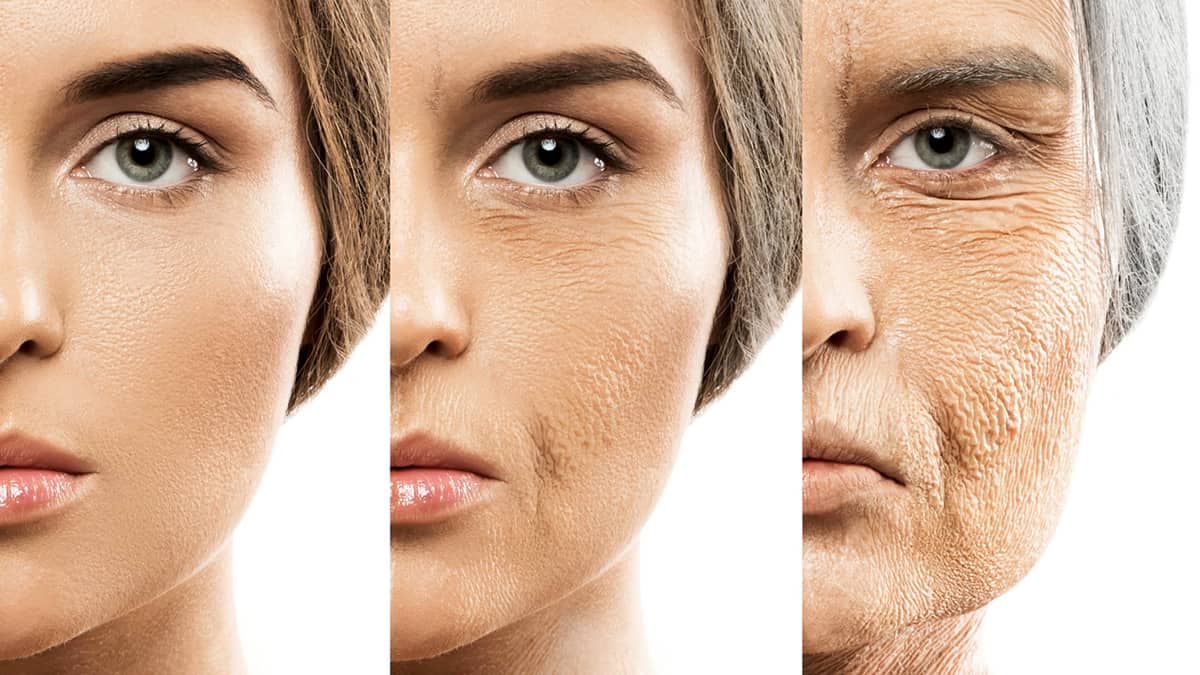
Tretinoin vs Retinol: Which Do You Actually Need? (And When a Prescription Is Worth It)
Tretinoin and retinol are both vitamin A derivatives that improve skin texture, reduce fine lines, and fade hyperpigmentation — but they are not the same thing. Tretinoin is a prescription-strength retinoic acid that works directly on skin cells; retinol is an over-the-counter cosmetic that your skin must first convert into retinoic acid, making it roughly 20 times weaker at equivalent concentrations. For most people with moderate-to-severe wrinkles, acne, or sun damage, tretinoin will deliver faster and more dramatic results — but whether you actually need a prescription depends on your skin goals and tolerance.
What Is the Difference Between Tretinoin and Retinol?
Both ingredients belong to the retinoid family — compounds derived from vitamin A that bind to retinoic acid receptors in the skin and signal cells to turn over faster, stimulate collagen, and suppress acne-causing sebum overproduction.
The critical difference is bioavailability:
- Retinol is an OTC cosmetic ingredient. Once applied, your skin enzymes must convert it to retinaldehyde, then to all-trans retinoic acid (the active form). Each conversion step reduces potency and slows onset.
- Tretinoin (all-trans retinoic acid) is already the active molecule. It binds retinoic acid receptors immediately, triggering skin cell changes without any conversion steps.
Because of this, tretinoin shows visible results in 4–8 weeks, while retinol typically requires 8–24 weeks of consistent use. Both can eventually produce meaningful improvement — tretinoin just gets you there two to three times faster.
Is Tretinoin Better Than Retinol for Wrinkles?
For moderate-to-severe photoaging, the clinical evidence favors tretinoin decisively. A 2025 meta-analysis published in Dermatology Practical & Conceptual pooled eight randomized controlled trials (N = 1,361) and found tretinoin significantly improved fine wrinkles versus vehicle controls (mean difference 0.412, 95% CI 0.233–0.590, p < 0.001), with improvements appearing as early as one month and sustained through 24 months. All included trials consistently showed statistically significant reductions in fine wrinkles, mottled hyperpigmentation, sallowness, and lentigines.
A 2024 systematic review in the American Journal of Clinical Dermatology analyzed 25 comparative studies and designated tretinoin the gold-standard topical anti-aging agent, finding it consistently superior to retinol, glycolic acid, and antioxidant blends across both clinical and histological photoaging endpoints. The landmark 1993 New England Journal of Medicine study also documented tretinoin’s ability to restore collagen formation in photodamaged skin at the histological level — something OTC retinol studies have not replicated at comparable time frames.
For mild signs of aging — slight texture roughness, early fine lines, minor dullness — high-quality retinol (0.5%–1%) used consistently can deliver meaningful improvement, albeit more slowly. The dermatology consensus is that retinol is an excellent starting point; tretinoin is where you graduate when you want measurably faster results or when retinol alone isn’t moving the needle.
Tretinoin vs Retinol: Side-by-Side Comparison
| Feature | Retinol (OTC) | Tretinoin (Rx) |
|---|---|---|
| Availability | Over-the-counter | Prescription only |
| Active form | Must be converted by skin | Already active (retinoic acid) |
| Relative potency | Baseline | ~20× more potent at equal concentration |
| Visible results timeline | 8–24 weeks | 4–8 weeks |
| Irritation risk | Low–moderate | Moderate–high (especially early on) |
| Purge phase | Mild, 2–4 weeks | More pronounced, 2–8 weeks |
| FDA status | Cosmeceutical | FDA-approved drug (acne, photoaging) |
| Cost | $15–$80/month OTC | Rx ~$20–$35/month + telehealth visit |
| Best for | Mild aging, sensitive skin, beginners | Moderate-severe wrinkles, acne, sun damage |
| Sun sensitivity increase | Moderate | High — daily SPF 30+ required |
| Pregnancy safety | Avoid (teratogenic class) | Avoid (teratogenic class) |
Who Should Use Retinol?
Retinol is a strong first choice if you:
- Are new to retinoids and want to build tolerance gradually
- Have sensitive or reactive skin that flushes or burns easily
- Have mild, early signs of aging (small fine lines, subtle dullness)
- Are in your mid-20s to early 30s and want a preventive routine
- Prefer a product you can buy without a visit
Start with a low concentration (0.25%–0.3%), apply two to three nights per week, and increase frequency as your skin adapts. Over six months, most people can tolerate daily application. Choose a formula with a stabilizing encapsulant (retinol in an anhydrous or air-tight package degrades quickly).
Who Actually Needs a Tretinoin Prescription?
Tretinoin is worth pursuing if you:
- Have moderate-to-severe photoaging — deep lines, coarse texture, significant sun spots
- Have hormonal or persistent acne that OTC products haven’t cleared (tretinoin is FDA-approved for acne as well as photoaging)
- Have tried retinol consistently for 3–6 months without the improvement you expected
- Want faster, measurable results — especially before a significant life event
- Are addressing hyperpigmentation (melasma, post-inflammatory marks) where tretinoin’s speed advantage matters clinically
Tretinoin is available in strengths of 0.025%, 0.05%, and 0.1%. Most providers start new users at 0.025%–0.05% and increase once the skin has adapted, typically after 2–3 months. The purge phase (temporary increase in breakouts or peeling) typically peaks at weeks two through six and resolves by week eight.
What Are the Side Effects and How Do You Manage Them?
Both retinoids increase UV sensitivity, so daily broad-spectrum SPF 30 or higher is non-negotiable regardless of which you use. Tretinoin users should be especially diligent — untreated sun exposure can reverse gains and worsen hyperpigmentation.
Common early side effects of tretinoin:
- Dryness, flaking, peeling (usually weeks 1–6)
- Redness and temporary burning after application
- Increased breakouts during the purge phase
Management strategies:
- Apply to completely dry skin (wait 20–30 minutes after washing) to slow absorption and reduce irritation
- Start with pea-sized amounts every second or third night
- Use a gentle, fragrance-free moisturizer immediately after application (“sandwich method”)
- Avoid retinoids on the same nights you use exfoliating acids (AHA/BHA)
Tretinoin is not safe in pregnancy or breastfeeding. If there is any chance you could become pregnant, discuss contraception with your provider before starting.
Can You Get Tretinoin Online Without an In-Person Dermatologist Visit?
Yes. A licensed provider can evaluate your skin concerns during a telehealth visit and, when appropriate, prescribe tretinoin as part of a personalized regimen — all without leaving home. This is one of the most common telehealth dermatology requests in 2026.
Telehealth visits for skincare typically cost under $40, and generic tretinoin cream starts around $20–$35 per month at most pharmacies with a GoodRx coupon — making it highly accessible compared to in-person dermatology, where new-patient waits can stretch four to six months.
If you’re unsure whether tretinoin is right for your skin or want guidance on combining it with other actives (vitamin C, niacinamide, azelaic acid), an Omnia TeleHealth provider can review your history and current routine and build a plan tailored to your skin type and goals. Learn more about our online anti-aging and wrinkle prevention services.
Frequently Asked Questions
Can I use retinol and tretinoin at the same time? No — using both simultaneously increases irritation without adding benefit, since both deliver the same end molecule. Once you start tretinoin, retinol is redundant. You can continue using non-retinoid antioxidants (vitamin C, niacinamide) on alternating mornings.
How long does it take for tretinoin to work on wrinkles? Most users see improvement in texture and fine lines within 4–8 weeks. Coarser wrinkles and significant sun damage may take 3–6 months of consistent use for meaningful reduction. Studies show continued improvement through 24 months.
Is retinol worth it if I can just get tretinoin? Retinol is worth it for beginners with mild concerns or sensitive skin. If you have moderate aging or stubborn acne and access to a telehealth consultation, the speed and efficacy advantage of tretinoin typically justifies the prescription. Many people use retinol as a bridge before their skin is ready for tretinoin.
Can tretinoin make skin worse at first? Yes — the “purge” is real and expected. Tretinoin accelerates cell turnover, pushing plugged follicles to the surface faster. This temporary worsening usually peaks around weeks two to six and clears by week eight. Stopping early during the purge is the most common reason people don’t see results.
Do I need to use tretinoin forever to maintain results? Yes, consistent use is key. Clinical studies show that stopping tretinoin causes gradual regression toward baseline over six to twelve months. The good news: once your skin has adapted (usually 3–6 months), most people only need to use it three to five nights per week to maintain gains.
Tretinoin is one of the most evidence-backed topical ingredients in dermatology — and with telehealth, a prescription is far more accessible than most people realize. If you’re curious whether your skin concerns warrant a prescription-strength retinoid, an Omnia TeleHealth provider can help you decide and get started the same day.