
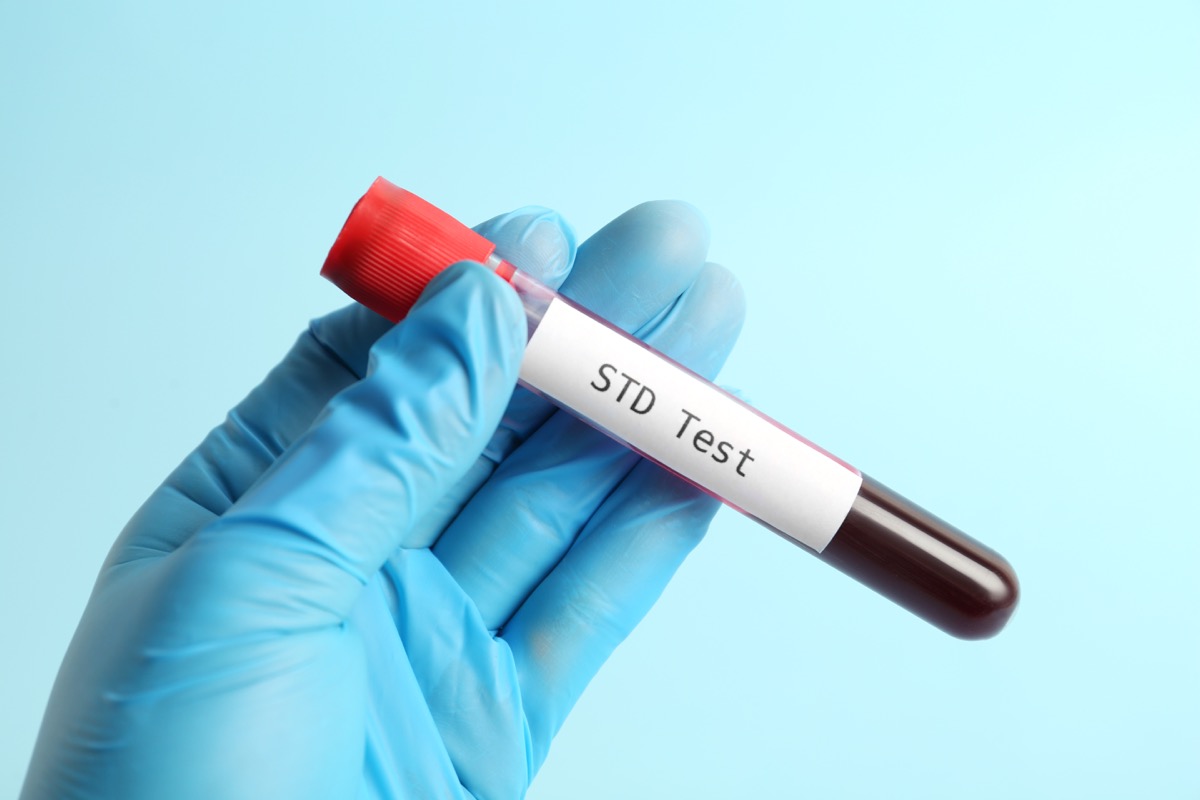
UTI or STD? A Symptom-by-Symptom Guide to Telling Them Apart
A UTI (urinary tract infection) and an STD (sexually transmitted disease) can both cause burning when you urinate — but they have very different causes, treatments, and complications if left untreated. The key distinction: UTIs are caused by bacteria migrating into your urinary tract and are not sexually transmitted, while STDs spread through sexual contact and can affect organs beyond the urinary tract. Because the overlap in symptoms is real and testing is the only reliable way to know which you have, seeing a provider matters.
Is it a UTI or an STD — what’s the difference?
A urinary tract infection is almost always caused by bacteria — most commonly Escherichia coli from your digestive tract — entering the urethra and traveling upward into the bladder. UTIs are not sexually transmitted, though sexual activity can introduce bacteria to the urethra and raise your risk. They are extremely common: roughly 20 million UTI cases are diagnosed in the United States each year.
Sexually transmitted diseases are caused by a different set of pathogens — bacteria (Chlamydia trachomatis, Neisseria gonorrhoeae, Treponema pallidum), viruses (herpes simplex, HIV, HPV), or parasites — and they spread through vaginal, anal, or oral sex. According to the CDC’s 2024 STI Surveillance data, more than 2.2 million cases of chlamydia, gonorrhea, and syphilis were reported in the United States in 2024. Although STI rates fell 9% from 2023 — the third consecutive annual decline — the overall burden is still 13% higher than it was a decade ago, meaning millions of people are affected every year.
What symptoms do UTIs and STDs share?
The symptom overlap is precisely why so many people confuse the two conditions. Both can cause:
- Burning or pain during urination (dysuria)
- A frequent or urgent need to urinate
- Discomfort or pressure in the lower abdomen or pelvic area
These shared symptoms occur because both infections can irritate the urethra and the surrounding tissue. Chlamydia and gonorrhea, in particular, can cause urethritis — inflammation of the urethra — which produces a burning sensation that feels nearly identical to a classic UTI. This overlap is why you should not self-diagnose or start antibiotics without confirmation from a provider.
Symptoms that point toward a UTI
Beyond the shared symptoms above, UTIs tend to produce certain signs that STDs do not:
- Cloudy, dark, or blood-tinged urine — bacteria and white blood cells in the urine change its appearance and smell
- Strong or foul urine odor
- Rapid onset — UTI symptoms typically escalate over two to five days
- Pelvic pressure or cramping felt specifically in the lower bladder area
A UTI confined to the bladder (cystitis) usually does not cause fever. If you develop fever, chills, or flank pain (pain in your mid-back or sides), the infection may have spread to the kidneys — a condition called pyelonephritis that requires prompt medical attention.
Symptoms that point toward an STD
STDs often cause signs that a UTI does not:
- Unusual genital discharge — gonorrhea typically produces a thick yellow or green discharge; chlamydia may produce a thin, milky discharge; some people have no discharge at all
- Genital sores, blisters, or ulcers — characteristic of herpes simplex or syphilis
- Rash — a widespread rash, especially on the palms or soles, can indicate secondary syphilis
- Pain during sex (dyspareunia) — more common with STDs than UTIs
- Flu-like symptoms — fever, body aches, and swollen lymph nodes can accompany acute HIV infection or herpes outbreaks
- Delayed or absent symptoms — chlamydia is asymptomatic in up to 70% of women and 50% of men, according to the CDC; gonorrhea is silent in roughly half of women
STD symptoms also tend to progress more slowly than UTI symptoms, and they may not appear until days or weeks after exposure.
UTI vs. STD: Side-by-side comparison
| Feature | UTI | STD (Chlamydia / Gonorrhea) |
|---|---|---|
| Cause | Bacteria (usually E. coli) | Sexually transmitted bacteria |
| Burning on urination | Common, often severe | Possible, usually milder |
| Urinary urgency / frequency | Common | Possible |
| Cloudy or bloody urine | Common | Rare |
| Genital discharge | Rare | Common (yellow/green or milky) |
| Genital sores or blisters | No | Possible (herpes, syphilis) |
| Pain during sex | Uncommon | Common |
| Fever / flu-like symptoms | Only if kidney-involved | Possible (herpes, acute HIV) |
| Asymptomatic presentation | Uncommon | Very common |
| Contagious via sex? | No | Yes |
| Responds to common UTI antibiotics? | Yes | Only some (gonorrhea now requires specific regimens) |
How are UTIs and STDs diagnosed?
You cannot reliably distinguish a UTI from an STD based on symptoms alone. A licensed provider will typically use:
For UTI:
- Urinalysis — a dipstick test that detects white blood cells, nitrites, and bacteria in the urine
- Urine culture — the gold standard, identifies the specific bacteria and the antibiotics it is sensitive to
For STDs:
- Nucleic acid amplification test (NAAT) — a highly sensitive PCR-based test available as a urine sample, vaginal swab, or urethral swab; the current standard for chlamydia and gonorrhea (CDC, 2024)
- Blood tests — used for syphilis (RPR/VDRL), HIV, and hepatitis B and C
- Herpes PCR or culture — collected from an active sore during an outbreak
The CDC recommends annual chlamydia and gonorrhea screening for all sexually active women under 25 and for older women at increased risk, regardless of symptoms.
Can I get diagnosed and treated for a UTI or STD online?
Yes, with important nuances. Telehealth has become a reliable first step for both conditions.
For uncomplicated UTIs, a licensed provider can evaluate your symptom history and order or review a urinalysis, then prescribe antibiotics — often same-day — without you leaving home. This approach works well for classic bladder infections in otherwise healthy, non-pregnant adults.
For STDs, a telehealth provider can order an at-home or local-lab NAAT test, review results, and prescribe treatment when results are positive. Many providers also offer expedited partner therapy (EPT) for chlamydia and gonorrhea, allowing partners to be treated without an in-person visit.
If you are unsure which condition you have, that uncertainty itself is a reason to connect with a provider. The UTIs & STDs telehealth service at Omnia TeleHealth allows you to describe your symptoms, get the right testing ordered, and receive treatment if appropriate — all from home.
When should I go to urgent care or the ER?
Seek in-person or emergency care immediately if you experience:
- High fever (above 101°F / 38.3°C) with back or flank pain — possible kidney infection
- Persistent vomiting that prevents you from taking oral antibiotics or fluids
- Visible blood in your urine combined with fever
- Symptoms of sepsis — confusion, rapid heart rate, or difficulty breathing
- Pelvic inflammatory disease (PID) symptoms — severe lower abdominal pain, fever, and vaginal discharge — which is a complication of untreated chlamydia or gonorrhea
These are not appropriate situations for self-management or waiting for an asynchronous telehealth response.
Frequently Asked Questions
Can a UTI turn into an STD, or vice versa? No. A UTI is caused by bacteria entering the urinary tract and cannot transform into an STD. Likewise, an STD does not cause a UTI directly, although some STDs (chlamydia, gonorrhea) can cause urethritis that mimics one. It is also possible to have both a UTI and an STD at the same time.
Can I just take leftover antibiotics for what feels like a UTI? This is not recommended. First, you may not have a UTI — you could have an STD that requires a completely different antibiotic. Second, UTI antibiotics must be matched to the specific bacteria involved. Using the wrong antibiotic or an incomplete course contributes to antibiotic resistance and may mask the symptoms without curing the underlying infection.
How quickly do UTI symptoms appear compared to STD symptoms? UTI symptoms typically develop within two to five days of bacterial exposure and intensify quickly. Chlamydia symptoms, when they appear at all, may take one to three weeks post-exposure. Gonorrhea symptoms usually appear within one to fourteen days.
Is burning during urination always a sign of a UTI or an STD? Not necessarily. Other causes include yeast infections, bacterial vaginosis, kidney stones, interstitial cystitis, or skin irritation from products like soaps or lubricants. A provider can help narrow down the cause with a simple urinalysis and symptom review.
Can men get UTIs, and would they look like an STD? Yes, men can get UTIs, though it is far less common than in women due to longer urethral anatomy. A male UTI can cause burning, urgency, and discharge — symptoms that overlap heavily with urethritis caused by chlamydia or gonorrhea. Because these infections are clinically difficult to distinguish in men, testing is especially important.
Burning when you urinate, an urgent need to go, or unusual discharge are symptoms worth taking seriously — but the right treatment depends on what is actually causing them. A telehealth visit can get you tested and on the right medication without the wait. Connect with an Omnia TeleHealth provider today to get the clarity you need.